
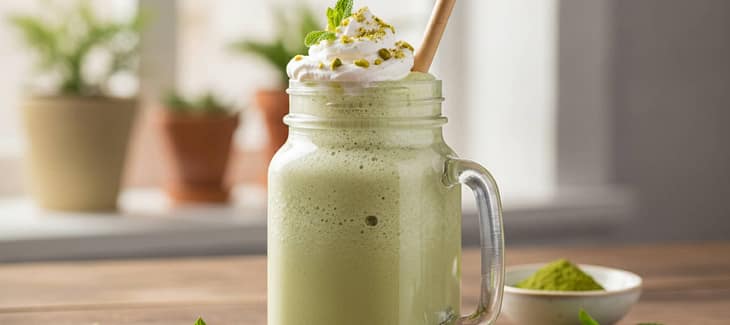

If you’ve been looking for a morning drink that both kickstarts your body and makes you stronger, this high protein matcha smoothie is a solid option. It’s creamy, naturally energizing, and packed with protein. Pair it with any high-fiber breakfast food and it fits right in, without tasting like a supplement shake.
Matcha and protein might not be the first combination that comes to mind, but they complement each other well, especially as a breakfast. The earthy, slightly grassy flavor of matcha pairs naturally with vanilla protein, banana, and a handful of simple mix-ins. The result is a smoothie that feels like a treat, yet works like a complete meal.
This post covers the base recipe, the best protein options to use, ingredient swaps and mix-ins, the health benefits of matcha, and answers to the most common questions people have when making a matcha protein smoothie for the first time.
Whenever I think of an opposite to matcha, the first thing that comes to my mind is coffee. They taste and look different, but both are similar in that they are staple caffeine morning drinks. If you want inspiration on how to make your own coffee smoothie, as a natural complement to this recipe, then check out my recipe on how to make your own banana coffee smoothie from scratch. It’s a perfect twist of flavor if you find that you enjoy this recipe!
What Makes This Smoothie Worth Making
There are a lot of smoothie recipes on the internet. Here’s why this one stands out:
- High in protein: Depending on your protein source, this smoothie delivers 25–40g of protein per serving, enough to count as a real meal. That’s a huge help for those who want to start their day with plenty of energy and focus.
- Unbelievably quick to make: Five minutes, one blender, no cooking. It’s awesome that you can make such a filling smoothie with very little time wasted.
- Genuinely satisfying: The combination of protein, healthy fat, and fiber keeps you full for hours, not just until your next snack. Even better if you decide to add ingredients like peanut butter or Greek yogurt.
- Naturally energizing without the crash: Matcha provides a smoother, longer caffeine curve than coffee, thanks to the amino acid L-theanine. You won’t have to worry about sudden crashes or dips in focus.
- Adaptable: Works with dairy or plant-based milk, multiple protein types, and a wide range of mix-ins.
What Is Matcha?
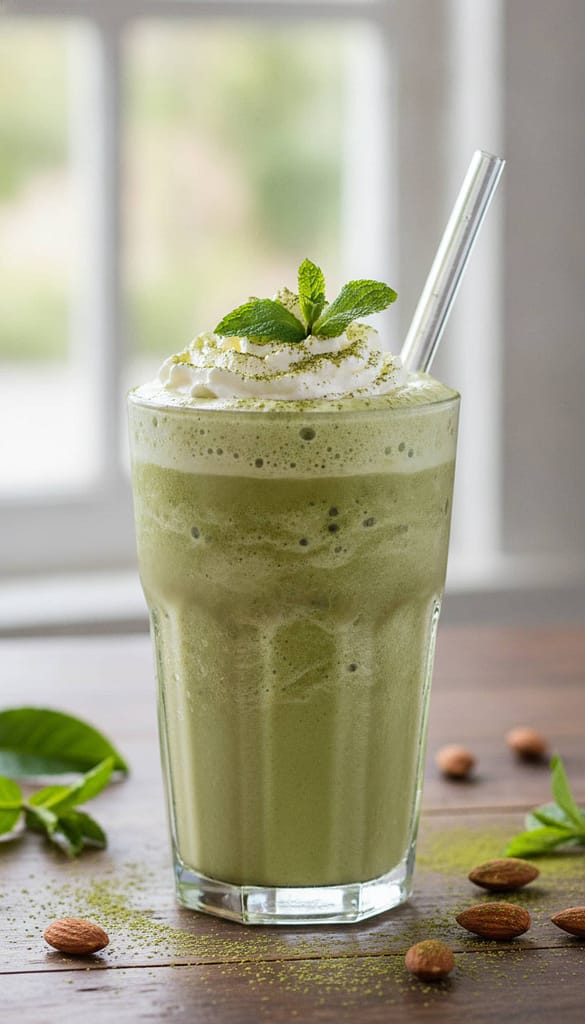
If you think you don’t know what matcha is or what it does for you, you may actually have an idea already of what it is! If you’ve ever been in a cafe or coffee shop before, maybe you have noticed that some baristas pour a green, vibrant liquid in a customer’s cup. At first, it looks kind of disgusting, and you would think that it’s some kind of sugary, artificial beverage, like a shamrock shake. But then if you look at the menu, you notice that the green drink has “matcha” written somewhere on top of it, and then you figure it must be some modern tea fad or something. Well, that’s precisely how I felt when I first found out about matcha!
But in reality, matcha is healthier and more useful than it seems. Typically, it can be used in many foods as a primary ingredient source to enhance the taste, smell, and nutritional quality. It works best in liquid beverages such as lattes, milk and smoothies, but it also is effective in more solid foods such as cakes, ice cream, scones, and pancakes.
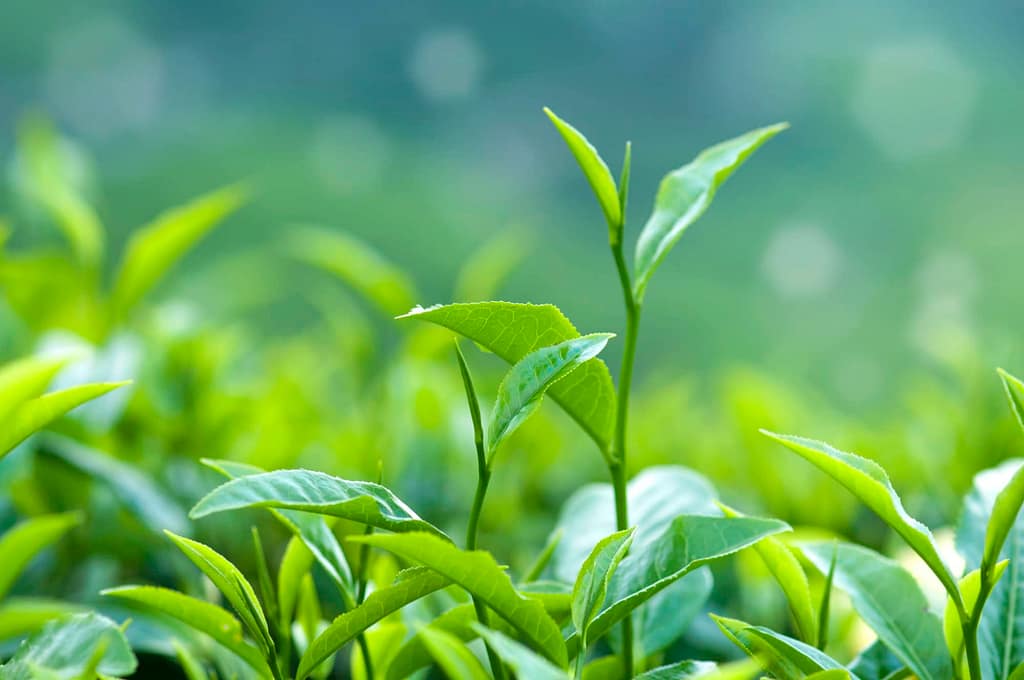
What exactly is matcha, though? It is basically a supplement that is derived from the leaves of a plant known as Camellia Sinensis. This is the same plant that is used to make green tea, black tea, and oolong tea. But instead of soaking the leaves in hot water and getting rid of the leaves afterward, matcha is produced in a different way. The leaves are ground into dust, forming a beautiful green powder that feels soft like flour. So instead of extracting the juices from the leaves, you instead are consuming the entire leaf itself, resulting in better nutritional gain and recipe variation. It’s almost like a healthier version of traditional green tea, and it is a powerful way to add caffeine, antioxidants, and nutrients into many different foods and beverages.
Protein Blending Options
Protein powder comes in a wide range of forms. The protein source you choose has the biggest impact on flavor, texture, and nutritional profile. Here’s a breakdown of the most popular options and how they behave in a matcha smoothie.
Whey Protein (Best for Flavor and Mixability)
Whey protein blends the smoothest and has the most neutral flavor of any protein powder. Vanilla whey is usually the best specific option for this recipe — it complements matcha without competing with it. A single scoop typically delivers 24–26g of protein.
- Best for: Taste, texture, and protein density
- Watch out for: Some whey isolates can be thin — add Greek yogurt to thicken
- Recommended flavor: Vanilla or unflavored
- Use chocolate if you really want to, but it’s generally not recommended because matcha tastes bitter when combined with chocolate.
Plant-Based Protein (Best for Dairy-Free)
Pea protein, brown rice protein, and blended plant-based powders all work well in matcha smoothies. Pea protein has a slightly earthy flavor that actually pairs nicely with matcha’s grassiness. Try to look for a vanilla or unflavored plant-based option from a good brand; this helps minimize chalky texture.
- Best for: Vegan and dairy-free diets
- Watch out for: Can be grainier in texture — use a high-powered blender
- Recommended flavor: Vanilla or matcha-specific blends
Greek Yogurt (No Powder Needed)
Want to skip protein powder entirely? Full-fat or low-fat Greek yogurt is an excellent alternative if you want a creamier, thicker smoothie. One cup of Greek yogurt delivers around 17–20g of protein, and you can add more if you want. Combine it with a cup of buttermilk for an even richer smoothie that adds additional protein
- Best for: Whole-food protein preference, thicker texture
- Watch out for: Adds tartness — balance with ripe banana or a small drizzle of honey
- Skyr and kefir are also decent yogurt options to consider if you prefer them instead
Cottage Cheese (Underrated Option)
Blended cottage cheese is increasingly popular as a smoothie base. It provides high casein protein content, a thick texture, and a surprisingly neutral flavor once blended. Half a cup adds about 14g of protein and creates an almost milkshake-like consistency. However, it can have a tendency to clump together if it’s not blended well.
- Best for: High protein density, naturally thick result
- Watch out for: Must be fully blended — blend longer than you think you need to
Collagen Peptides (Supplement Boost)
Collagen peptides dissolve completely in liquid and have virtually no flavor. They don’t dramatically increase protein the way whey does (typically 9–11g per scoop), but they’re an easy addition to stack on top of Greek yogurt or a plant-based powder if you want extra protein without affecting taste or texture at all. Collagen has a lot of benefits for skin and bone health, which makes it worth considering.
- Best for: Adding to an existing protein source without changing flavor
- Watch out for: Lower protein per scoop — not a standalone protein source
Additional Ingredient Blending Options
The base recipe is intentionally simple. These mix-ins let you customize the smoothie to your specific nutrition goals, flavor preferences, or dietary needs. They are all optional.
For Extra Creaminess
- Half an avocado — adds healthy fat and a buttery texture without a strong flavor
- 1 tbsp almond butter or cashew butter — pairs well with matcha, adds thickness too
- 1/4 cup full-fat coconut milk — makes the smoothie noticeably richer
- 2 tbsp soaked raw cashews — blends completely smooth and adds creaminess
Ingredients For More Fiber and Nutrients
- 1 tbsp chia seeds — adds omega-3s, fiber, and a slight thickness
- 1 tbsp ground flaxseed — neutral flavor, high in fiber and lignans
- Handful of spinach — essentially tasteless in a matcha smoothie and adds iron and folate
- 1/4 cup rolled oats — blends smoothly and adds soluble fiber and staying power
For Extra Sweetness (Natural)
- Medjool dates (1–2, pitted) — caramel-like sweetness that blends completely
- Ripe mango chunks (frozen) — adds tropical sweetness and complements matcha
- A splash of vanilla extract — deepens flavor, no sugar added
- Ripe pear — softer sweetness than banana and equally smooth when blended
Ingredients For Extra Thick Texture
- Use less liquid — start with 1/2 cup and add more as needed
- Add more frozen banana or freeze the Greek yogurt beforehand
- Use frozen mango or frozen cauliflower rice for thickness without much flavor change
For a More Energizing Version
- Increase matcha to 2 tsp for a stronger caffeine effect (approximately 70mg caffeine)
- Add 1/2 tsp maca powder — earthy and adaptogenic, pairs well with matcha. This ingredient is also referred to as Peruvian ginseng in certain areas.
- Add a small piece of fresh ginger — brightens the whole drink and supports digestion
- Are you planning to use sweeteners? If so, don’t overdo it. Matcha has a natural bitterness that varies by grade and brand. I recommend you taste the smoothie before adding sweetener. A ripe banana alone is often enough to balance it well.
Choosing the Right Matcha
We talked about what matcha is, but there are multiple variations of matcha that you must choose from. Not all matcha tastes exactly the same, and the grade you choose will significantly affect the flavor of your smoothie.
Ceremonial Grade
Ceremonial grade matcha is stone-ground from the youngest tea leaves, producing a vibrant green color, smooth flavor, and low bitterness. It’s traditionally used for drinking straight as tea from the leaves. In a smoothie, it produces the best flavor — slightly sweet, vegetal, and smooth. It’s more expensive but worth it if matcha is a regular part of your routine. This is the main matcha grade I recommend for this smoothie recipe.
Culinary Grade
Culinary grade matcha is mainly used for cooking and baking. It’s slightly more bitter and has a less vibrant color, but it can function well in smoothies where other flavors are present. It’s significantly cheaper than ceremonial grade and performs perfectly fine in this recipe, especially if you’re adding protein powder, banana, and other ingredients that help reduce bitterness.
Avoid Matcha Blends and Mixes
Pre-sweetened matcha latte mixes or matcha powders blended with milk powder or sugar are not the same as pure matcha. They typically contain very little actual matcha and a lot of added sugar. For a high protein matcha smoothie, always use pure, unsweetened matcha powder. We generally want to avoid high sugar in recipes like this because the caffeine count is already above average.
Health Benefits of Matcha
Green powder matcha isn’t just a presentable flavor enhancer. It has its own collection of health benefits, especially since you are technically consuming the entire tea leaf itself. Matcha has earned its reputation as a respectable morning ingredient. Here’s a deeper look at what the research supports:
Sustained Energy With No Crash Risk
Matcha contains caffeine — roughly 35–70mg per teaspoon depending on grade — but it also contains L-theanine, as stated earlier. This is an amino acid that promotes calm focus and slows caffeine/nutrient absorption, kind of like soy protein. This combination produces a steadier, more sustained energy lift than coffee. In general, you will be unlikely to feel the jitteriness or midday crash that coffee can cause.
Rich in Antioxidants
Matcha is one of the most concentrated dietary sources of catechins, a class of antioxidants. The most studied catechin in matcha is EGCG (epigallocatechin gallate), which has been researched for its potential role in reducing oxidative stress and inflammation. Because you consume the whole leaf in powdered form rather than just brewed water, matcha delivers significantly more antioxidants than steeped green tea.
Supports Metabolism
Several studies have examined the effect of matcha and green tea catechins on fat oxidation and metabolic rate. The combination of caffeine and EGCG appears to modestly support calorie burning, particularly during exercise. This is a supporting benefit, not a dramatic effect on its own, but it’s relevant for someone using a matcha smoothie as part of a health-focused diet. Evidence supporting this claim can be found here.
May Support Brain Function
L-theanine in matcha has been linked to improved attention, working memory, and reaction time in human studies — particularly in combination with caffeine. The mental clarity effect of matcha is one of the most commonly reported personal experiences from regular users, and it’s reasonably well supported by research.
Naturally Detoxifying
Matcha’s bright green color comes from high chlorophyll content, the result of shade-growing the tea plants before harvest. Chlorophyll has been studied for its role in supporting the body’s natural detoxification pathways, though most of the strongest claims in wellness marketing go beyond what current research fully confirms. Still, chlorophyll is a genuinely beneficial plant compound, and I believe it may be responsible for detox benefits in several other plant foods, too.
Matcha does contain caffeine, though, which means it’s not the right choice for everyone. If you’re sensitive to caffeine, pregnant, or avoiding stimulants for other reasons, consider using decaf matcha, or substituting with a small amount of spirulina for color and chlorophyll. This helps avoid excess caffeine in the recipe.
High Protein Matcha Smoothie (Basic)
Equipment
- 1 electric blender
- 1 mesh strainer
Ingredients
- 1½ tsp matcha powder ceremonial grade preferred
- 1 scoop protein powder vanilla flavor preferred
- 1 medium frozen banana (sliced)
- 1 cup milk of choice
- ½ cup crumbled ice
- ½ cup plain unsweetened Greek yogurt optional protein
- 1 tsp honey/maple syrup optional sweetener
- 1 scoop collagen peptides optional supplement
Instructions
- Add your milk to the blender first, before anything else. This helps prevent other ingredients from sticking to the bottom.
- Sift your matcha powder in a mesh strainer to prevent unnecessary and annoying clumping of the powder.
- Pour sifted matcha and protein powder into the blender. Blend briefly to create a green mixture.
- Add the frozen banana slices, crumbled ice, and optional ingredients right on top.
- Blend on high setting if applicable, for 45-60 seconds, or until fully smooth and creamy.
- Taste and adjust. Add a touch of honey for more sweetness, or more ice for a thicker texture.
- Pour into your desired container/glass, and drink immediately for best flavor.
High Protein Matcha Smoothie: Approximate Nutrition Per Serving
Based on the base recipe using vanilla whey protein, one frozen banana, 1 cup oat milk, 1/2 cup Greek yogurt, and 1.5 tsp matcha:
- Calories: ~380–420 kcal
- Protein: 35–40g
- Carbohydrates: 40–45g
- Fat: 6–9g
- Fiber: 3–4g
- Caffeine: approximately 50–70mg (varies by matcha brand and amount used)
Exact nutrition will vary based on your protein powder, milk choice, and any add-ins. Use a free tracker like MyFitnessPal to get precise numbers for your recipe.
Storage and Meal Prep Tips
Can You Make This Smoothie Ahead of Time?
Of course! A freshly blended smoothie is always best — bananas oxidize, ice melts, and some protein powders separate over time. That said, you can make this smoothie up to 24 hours ahead and store it in a sealed jar or airtight container in the refrigerator. Or, if you have an insulated thermos, you can use that instead. Give it a quick shake or re-blend before drinking, so that the settled ingredients can fuse together again.
Freezer Smoothie Packs
A popular meal prep strategy is building freezer smoothie packs — pre-portioned bags containing frozen banana, matcha, and any add-ins, ready to drop into a blender with liquid. Just add your milk and protein powder at blend time. Packs keep well for up to three months in the freezer and make weekday mornings significantly faster.
Common Questions About High Protein Matcha Smoothies
Can I make a matcha protein smoothie without protein powder?
Yes, you don’t need powder. Greek yogurt, cottage cheese, or silken tofu are all effective whole-food protein sources that work beautifully in this recipe. One cup of Greek yogurt, combined with half a cup of cottage cheese, can get you to 25–30g of protein, and adding milk gets you even more.
What milk is best for a matcha smoothie?
Oat milk is the most popular choice for matcha-based drinks because its mild sweetness complements matcha’s earthiness/bitterness. Coconut milk creates a richer, creamier result. Unsweetened almond milk works well if you’re watching calories. Regular 2% dairy milk is a perfectly fine choice that adds additional protein (usually my go-to).
Does matcha go well with protein powder?
Yes — vanilla-flavored protein powder is the optimal complement to matcha. Because they are both powders, they mix easily. The sweetness of vanilla softens matcha’s natural bitterness, and the combination produces a flavor profile that most people find very appealing, even if they’re not regular matcha drinkers. Avoid chocolate protein powder in this recipe, as mentioned earlier.
Is a matcha smoothie good for weight loss?
A high protein matcha smoothie can definitely fit into a weight loss plan, and I recommend it. The high protein content promotes satiety and muscle preservation during a calorie deficit, while matcha’s catechins somewhat support fat metabolism. The key is using unsweetened ingredients, and keeping total calories in line with your goals. Swap out a processed breakfast for this smoothie, and you can be sure it was a good choice!
How much matcha should I put in a smoothie?
1 teaspoon is best, for a subtle matcha flavor with around 35mg caffeine. Use 1.5–2 teaspoons if you want a more prominent matcha taste and a stronger energy effect. More than 2 teaspoons can become quite bitter, especially with culinary grade matcha, and pushes caffeine too high, which some people find uncomfortable, including me.
Can I use matcha powder in a smoothie without blending?
Matcha powder can’t dissolve well in cold liquid through manual spoon mixing. That’s why I strongly recommend using a decently powerful blender. If you don’t have a blender, whisk the matcha into a small amount of warm water first (the traditional preparation method) to create a smooth paste, let it cool slightly, then mix it into your other ingredients. A shaker bottle can work as a backup option.
Is a high protein matcha smoothie good as a post-workout drink?
Yes — it checks most of the post-workout boxes, and follows most of the high protein smoothie guidelines. High protein content supports muscle protein synthesis, carbohydrates from banana replenish glycogen, and the anti-inflammatory properties of matcha may assist with recovery. For a more recovery-focused version, add a second scoop of protein powder or an extra half banana to increase carbohydrate content. Be aware that caffeine after dusk can make it much harder to sleep at night.
Recipe Variations You Can Make
Matcha Protein Smoothie Bowl
Use half the liquid, add another half banana on top of the whole banana, and add 1/4 cup frozen mango. Blend to a thick, scoopable consistency. Pour into a bowl and top with granola, fresh berries, sliced banana, hemp seeds, and a light drizzle of honey. It’s high in protein, aesthetically pleasing, and filling.
Iced Matcha Protein Latte
For this one, skip the frozen banana. Blend 1 tsp matcha with 1 cup milk and 1 scoop vanilla protein powder over ice. This produces a thinner, latte-style drink rather than a smoothie, similar to what you’d see in a coffee shop. Great if you prefer something lighter in the morning or want a cold matcha drink in the afternoon. It’s the only variation that strays away completely from being a smoothie.
Chocolate Matcha Protein Smoothie
Add 1 tsp raw cocoa powder alongside the matcha. If your blender is good enough, sometimes Nutella works, too. Earlier, I said that chocolate protein powder does not work well with matcha. However, if you use cocoa powder/Nutella alongside vanilla protein powder, the combatting tastes actually equal out quite well, resulting in a harmonious combination. The bitterness of chocolate and matcha together are balanced by the sweetness of banana and vanilla protein. It has a rich flavor. Try it out!
Matcha Mango Protein Smoothie
Replace the frozen banana with 1 cup frozen mango. Mango’s tropical sweetness contrasts beautifully with matcha and gives the smoothie a brighter, more summery flavor. It’s higher in natural sugar than the base recipe, but an excellent variation for those who want unique flavor.
Conclusion
A high protein matcha smoothie is one of those genuinely easy smoothie recipes that makes a real difference to how your morning feels. It takes five minutes, uses ingredients you probably already have, delivers 30–40g of protein, and gives you a steady, focused kind of energy that carries you through the first few hours of the day. That kind of value is hard to match and hard to beat.
Start with the base recipe, lock in your matcha amount, and then experiment with the mix-ins and variations that fit your taste and nutrition goals. Once you find your version of this smoothie, it tends to become a daily habit quickly. Definitely a habit you want!
If you want more inspiration on other smoothie variations, feel free to check out my other posts on how to make a banana coffee smoothie, and how to make an avocado oatmeal smoothie. Both are incredibly filling and unique smoothie recipes!