
If you’re tired of strict diets, calorie-counting apps, and giving up your favorite foods, I have good news for you. Starting today, you can take advantage of portion control, which is a common dieting hack that ensures you are getting the proper amount of calories you need to stay healthy. This method is easy and doesn’t require any uncomfortable restrictions on your part. It is a simple, sustainable way to manage your food intake, feel satisfied, and still enjoy the foods you love. In this article, you’ll learn exactly how to lose weight with portion control. By the end, you will know why it works and how to build a meal plan that supports your goals.
What is Portion Control?
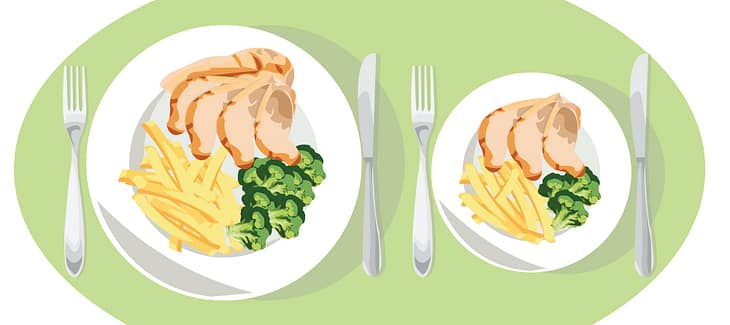
Portion control is the practice of eating the right amount of food—not too much, not too little—for your body’s needs. It’s about becoming more mindful of how much you’re eating rather than obsessing over what you’re eating.
For example, instead of eating a whole bag of chips, you might portion out a small bowl. The small size of the bowl is a good way to trick your brain to stop eating once the bowl is finished. This is just a simple example, though. A better way of doing portion control involves macronutrient balance. Instead of filling your plate with three servings of pasta, you stick to one and balance it with veggies and protein. In this way, you prevent overconsumption, but also enhance nutritional quality.
Portion control can be done using:
- Measuring cups or a kitchen scale
- Visual cues (like comparing portions to your hand or common objects)
- Pre-portioned containers or meals
- Simply observing your body’s hunger and fullness signals
Why Portion Control Is Important
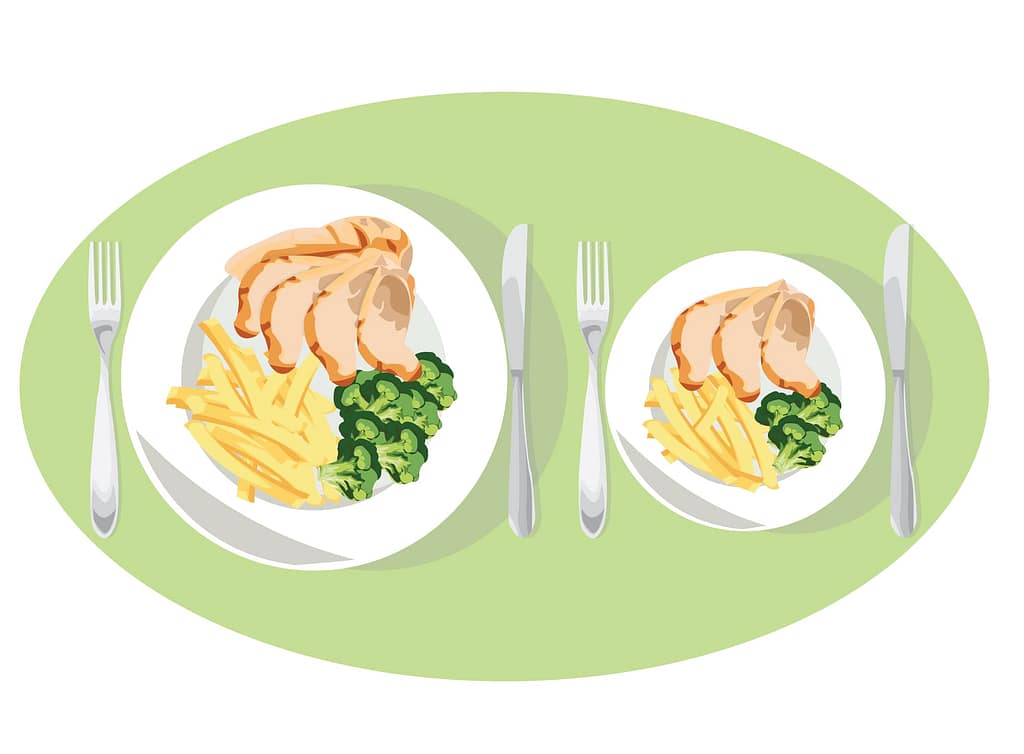
In today’s world, food portions are bigger than ever. Restaurants, packaged foods, and even certain homemade meals tend to serve more than our bodies need, leading to gradual weight gain over time.
Practicing portion control helps you:
- Avoid overeating without feeling deprived
- Become more aware of your eating habits
- Enjoy treats in moderation without guilt
- Support a healthier relationship with food
- Lose fat and build muscle easier, depending on your nutrition and exercise regimen
Ultimately, it helps you eat in a way that matches your body’s true energy needs—so you can lose weight naturally without feeling like you’re on a diet.
Please note that you should do a bit of research and experimentation on your part so that you know exactly how many calories you need based on your body type and fitness levels. A free, reliable calorie calculator website is available here for your convenience. It serves as a nice baseline that gives you an initial frame of reference for your calorie needs.
Benefits of Portion Control
There are 5 main benefits you can expect to gain when you begin to lose weight with portion control:
1. Sustainable Weight Loss
Portion control allows you to enjoy all foods while still creating a calorie deficit, the key to losing weight. Unlike restrictive diets, it’s easier to stick with long term.
It’s important to remember that small actions, when repeated daily, will accumulate over time. For example, let’s say you eat a large bowl of cereal (2 servings) every morning, versus only eating a mid-sized bowl (1 serving). Since it takes 3500 calories to gain or lose a pound, eating the bigger bowl every morning will compound the calories you gain, making weight loss harder. Over a month timespan, you will have consumed 30 or so more servings than you needed to in this example, which is detrimental to anyone looking to lose weight.
If an average bowl of cereal with milk is 200 calories on average, then we can assume that a larger bowl would be double that amount. 200 x 30 = 6,000, so eating a 400-calorie bowl every morning would double your calorie intake all the way to 12,000 in one month. That adds almost 2 whole extra pounds, not taking into account the amount of calories your body burns. So by correctly using portion control, you can limit these extra calories by a significant amount over multiple weeks.
Portion control makes weight loss more realistic when you adopt it as a habit, since you are directly influencing your consumption of food in a positive way.
2. More Energy
Eating the right amount of food helps balance your blood sugar and avoid energy crashes. You’ll likely notice more stable energy throughout the day.
The key is to eat as much as you need to feel satisfied without going overboard. Honestly, it’s how we as humans are supposed to eat. The increased rates of obesity and heart disease we have seen over the last century is directly caused by consumption being easier than it ever has been. In the past thousands of years, humans have had to work to feed themselves, like any other animal. Now, we are simply given it as long as we are able to pay for it. This change in human behavior towards comfort is great for overall population growth, but bad for its ability to be abused.
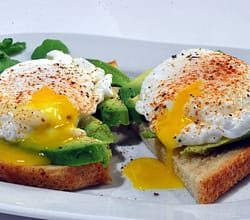
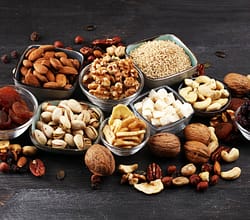
It’s also important to eat foods that are nutrient-dense and contain only a single ingredient, such as eggs, chicken breast, beans, nuts, and seeds.
3. Better Digestion
Overeating can leave you feeling bloated or sluggish. Smaller, balanced portions are easier on your digestive system.
Eating only as much as you need to feel full and satisfied will let your stomach balance its job of digestion and absorption more easily. Like we just explained earlier, humans are not really built to be consuming a large amount of calories in a short time. Your body functions better when it can more easily leverage its resources without worrying about bulky digestion.
4. Reduced Cravings
When you eat mindfully and nourish your body with the right portions of carbs, fats, and proteins, your cravings for junk food often decrease.
When we crave junk food, we often crave the sweetness of the food, which mostly exist in the form of simple sugars. Sugars like glucose are digested very quickly and will leave you feeling hungry again. So by balancing healthy carbs, protein, and fats, you give your body the energy it needs to stay satisfied.
5. Improved Food Awareness
You’ll naturally become more in tune with your body’s hunger and fullness cues, which leads to smarter eating choices over time. You will start wanting to eat the healthy, delicious foods over the quick dopamine-hitting sugary foods.
The human body loves adapting to predictable routines. If you consistently eat the right foods every day and the same kinds of foods, your body will respond in kind. Stomachaches, fatigue, and brain fog will disappear over time thanks to this predictability.
How To Build A Portion Control Meal Plan
Creating a portion-controlled meal plan doesn’t have to be complicated. Here’s how to get started:
Step 1: Identify Your Goals
Why do you want to lose weight with portion control? Do you want to feel healthier, thinner, more confident, or something else? It’s important for you to define a clear goal because it will give you a reason to stick to the plan when you feel the urge to overeat.
If you are bulking or looking to gain weight instead, then portion control probably isn’t for you. If you can’t think of a reason to create your own portion control meal plan, then you shouldn’t continue these steps until you do so.
Step 2: Use Your Hand as a Guide
This is a simple and effective way to portion meals without any tools, as stated earlier:
- Protein: 1 palm-sized portion
- Carbohydrates: 1 cupped hand
- Vegetables: 2 fist-sized portions
- Fats: 1 thumb-sized portion
This method works well because it’s relative to your body size.
Step 3: Balance Each Meal
Aim for meals that include:
- A lean protein source (chicken, tofu, eggs, beans)
- A fiber-rich carb (quinoa, oats, sweet potatoes)
- Healthy fats (avocado, nuts, olive oil)
- Lots of non-starchy vegetables (spinach, broccoli, peppers)
Notice that all of these foods are single-ingredient foods. These foods are healthiest for your body because they don’t contain any additives, preservatives, salt, or sugar that mess with your body’s hormonal and digestive cycles.
Step 4: Eat Slowly and Mindfully
Slow down, chew thoroughly, and pause between bites. This gives your brain time to catch up with your stomach and signal fullness before you overeat.
It also helps you enjoy the food that you are eating. Unless you are in a rush to do something, it doesn’t hurt to observe how different foods feel on your tongue, and how you can make them taste even better. And if your goal is to lose weight with portion control, the journey is much easier when you really feel the pleasure you get from your food.
Step 5: Plan Ahead
Prepping meals in advance or portioning snacks into containers can help you avoid overeating or grabbing extra servings out of convenience or emotion.
Step 6: Don’t Be Too Rigid
Portion control isn’t about perfection. If you overeat one meal, no worries—just get back on track with the next. The goal is long-term consistency, not short-term restriction.
Bonus Step 7: Combine Portion Control With Batching For Maximum Efficiency
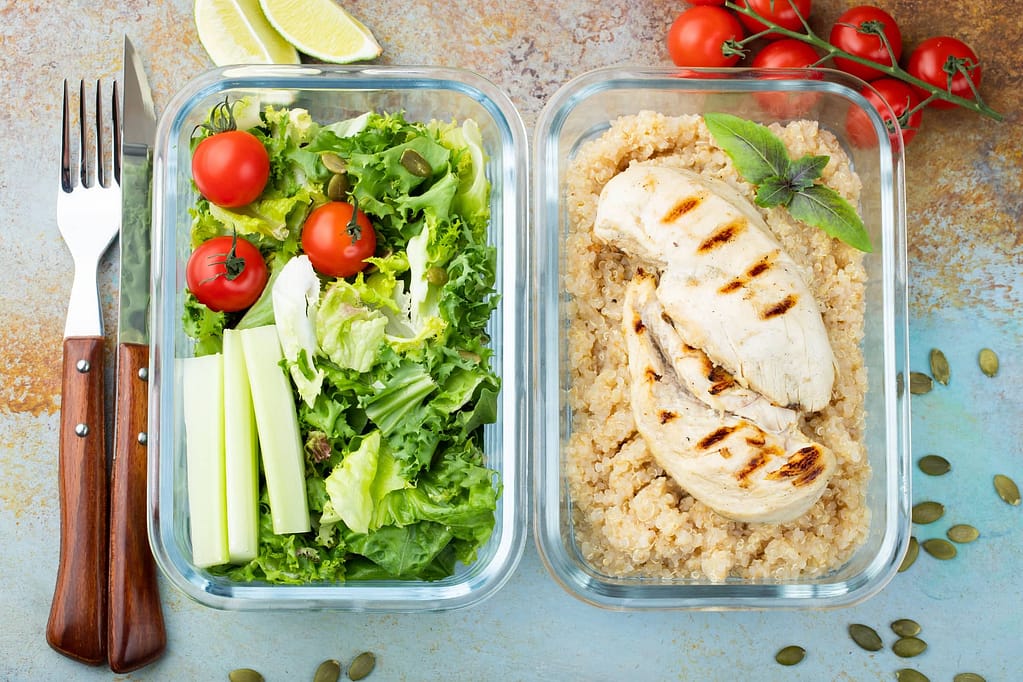
I’m a huge fan of batch-creating large amounts of food in advance, since it saves me so much precious time. And as it turns out, batching works really well with portion control, and it even saves you money.
I recently made a large dish of egg casserole, large enough to serve 5 people, and I cut it into eighths. I calculated the calorie count of each cut portion simply by dividing the total calories by 8, and voila, I have eight squares of casserole that are portion-controlled.
So now, for the next 8 days, I am able to create a dish that has an egg casserole portion as the main food, and I choose what sides will go along with it. Usually, I choose a healthy side of veggies that contain plenty of nutrients. In a week’s timeframe, I don’t have to worry about cooking up a new batch of casserole, freeing up a lot of time on my part. That’s the power of combining batching with portion control.
So although this step is optional, try it out for yourself. See what foods you can create in large quantities that you can split up and save for later. This is especially helpful for those who have little free time, like parents and full-time workers.
Conclusion
You don’t have to count every calorie or eliminate entire food groups to lose weight. When you learn to lose weight with portion control, you give yourself the freedom to enjoy your meals while still making progress toward your goals. Start small, stay consistent, and give your body time to adjust. The more you practice, the easier and more intuitive it will become.