

Traditional wheat flour has been long used by bakers as the quintessential agent for desserts and pizzas alike. It is cheap, reliable, easy to make, and made from multiple wheat varieties. Indeed, it should be commonplace to have AP flour in your kitchen.
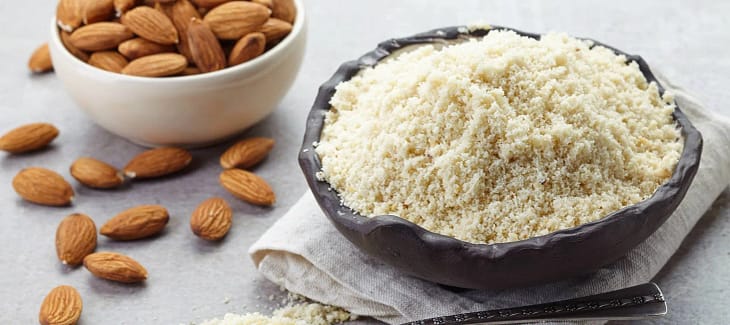
But what about other flour types, specifically almond flour? Alternative flours made from non-wheat based foods such as almonds, coconuts, and cassava possess various properties and benefits over generic flour.
Why Choose Almond Flour?
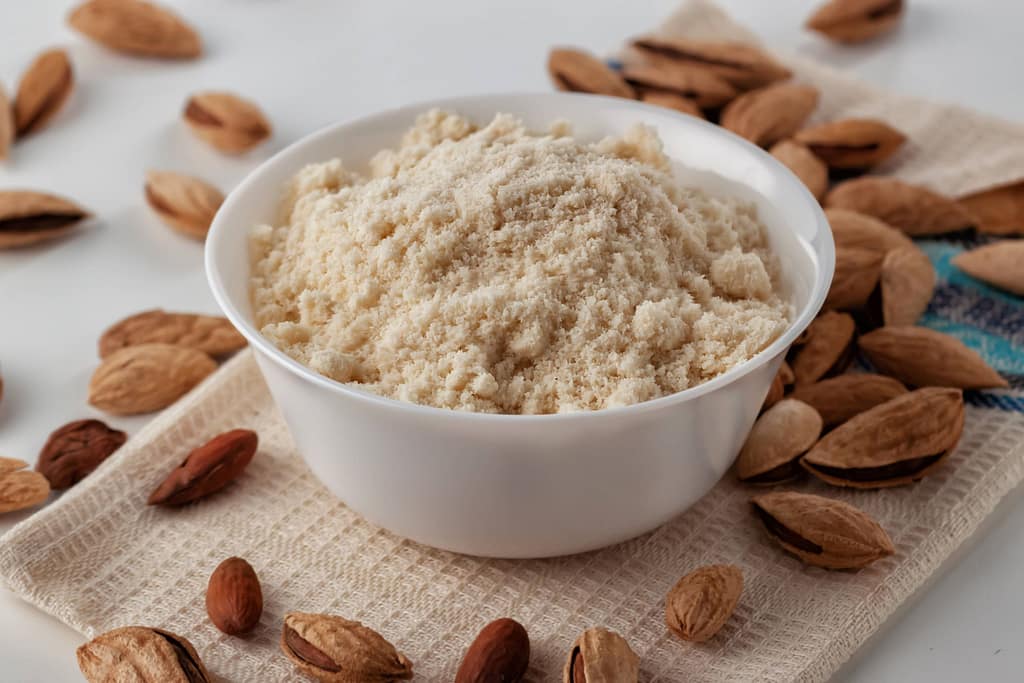
To start off, almond flour in particular has numerous health benefits that distinguish it from AP flour. This flour is gluten-free, so as long as you do not have a nut allergy, it can be very helpful for your gut. Additionally, it is low in carbs and high in healthy fats and fiber. It also contains more protein than most other flour types. This helps you stay satisfied with your meals for longer and can make weight loss easier. On top of being much less starchy, I believe that almond flour is a much healthier option than AP flour.
So how do you create this unique flour from scratch? First, you take any kind of almonds and put a bunch of them in boiling water. Doing this blanches the almonds and removes the skin. Then you use a grinder and sifter to cut them into a fine powder. The amount of almonds required to make a pound of flour is high, which results in this special flour being slightly more expensive than other flour types. However, due to it being a healthier alternative to AP flour while sporting the same uses, it is definitely worth the cost. It is one of the few flours that is frequently used in gluten-free and paleo-style baking. As for the taste and texture, making flour with almonds or other nuts allows recipes made with them to taste nuttier and chewier.
Health/Baking Benefits of Almond Flour vs. All-Purpose Flour
There are lots of differences between almond flour and all-purpose flour that go beyond just being a gluten-free flour substitute. And this doesn’t even count for the comparisons between other nut flours, such as coconut and oat flour! Here is a list of things that almond flour does better and worse than all-purpose flour.
- Vitamins and Minerals. Almond flour has significantly more nutritional value when compared to traditional wheat flours such as AP flour. Since it is made from finely ground almonds, it retains most of the health benefits that almonds already have. Almond flour is high in protein, healthy monounsaturated fats, fiber, Vitamin E, omega-3 fats, magnesium, calcium, potassium, iron, antioxidants, and amino acids. All-purpose flour, however, is lower in fat and protein, which causes it to have less calories. In return, it also has a higher amount of glucose, which can contribute to higher blood sugar spikes. So almond flour is better than AP flour when it comes to raw nutrition.
- Baking quality. Almond flour is popular in low-carb/healthy baking. It works best in pancakes, muffins, cookies, gluten-free recipes, and keto recipes. Even though it holds moisture very well, it is not very elastic. This is where all-purpose flour comes into play. Some people prefer AP flour for a few reasons. AP flour is light and soft, making it rise better in foods such as pizza, cake, and pastries. But more importantly, it has better absorption, shelf life, and strong baking structure. In almond flour recipes, more eggs and liquid are required just to keep the mixture stable. This makes AP flour the clear winner when it comes to baking quality and shelf-stable enjoyment.
- Cost. Almond flour is significantly more expensive than all-purpose flour because of the cost of labor it takes to grind almonds. Thousands of almonds are ground to dust just to make even one single bag. Almonds themselves are already expensive, so the price tag on this flour makes sense. If you want to save money, go with AP flour.
- Gluten sensitivity. For people with celiac disease, gluten sensitivity, or sometimes diabetes, they need gluten-free options. If you want a stable, genuinely good gluten-free ingredient, go with almond flour as your first choice.
- Weight management. Almond flour has high fiber and protein. This makes it great for weight loss, because the extra satiety helps prevent you from consuming more calories. AP flour, however, has more glucose and is highly refined. This leads to blood sugar spikes and high glycemic impact. If you want a food that helps you lose weight faster and easier, go with almond flour.
Recipes you can make with Almond Flour
- Pancakes. If you’re a pancake fanatic like I am, almond flour pancakes are much safer on your gut in comparison to normal pancakes. The flour gives your pancakes a more nutty and chewy taste, especially when made from scratch.
- Brownies. Replacing AP flour for almond flour makes the brownies more fudgy and moist.
- Macarons. With just sugar, almond flour, and egg whites, you can create this popular French cookie easily.
- Pasta. Almond flour is very important in pastas that are either gluten-free or protein enriched. Like with almond pancakes, you may find that almond pasta has a more nutty feel to it.. I would recommend using marinara or Bolognese sauce as they will always be reliable additions. Vodka and alfredo are also decent sauces to use.
- Almond cake. Cakes made with almond flour are very satisfying-they have a soft and fluffy texture. It also has the advantage of being sturdy, so you can choose to make a double layer as well. You can always choose to use baking powder to puff it up even more as an optional supplement. I like to have almond cakes topped off with whipped cream, sliced almonds and fruit for an aesthetically pleasing look.

Need inspiration on specific almond flour recipes that you can make at home? Additional recipes can be found here.
Takeaways
Almond flour is a viable alternative to traditional flour with a moderately higher price tag. It is healthier than AP flour because it is gluten-free, fiber-enriched, and has more protein. Additionally, it is easy to create at home, assuming you have the necessary number of almonds required to make a good volume. Foods baked and cooked with this flour have a unique texture and are guaranteed to be safer on your gut. Overall, You should never underestimate almond flour when choosing a great base for your baked creations.





No Responses