
You’ve committed to intermittent fasting. You’re showing up for your fasting window with discipline and intention. But here’s the question most people forget to ask: what should you actually eat during your intermittent fasting eating window?
The truth is, the foods you choose during your eating window can make or break your results. Whether your goals are fat loss, muscle retention, sustained energy, or better metabolic health, nutrition quality inside your window matters enormously. Eating the wrong foods, even within the right time frame, can leave you hungry, fatigued, and stalled.
This guide breaks down exactly what to eat, when to eat it, and how to build meals that support your fasting lifestyle. I’ll provide you with certain high-protein meals to eat after a 16-hour fast, foods that keep you full before your next fast begins, a complete sample 16:8 intermittent fasting meal plan, and much more. 16:8 is the most common fasting method, so for simplicity, that is the primary method I will reference.
It’s also important to note the following disclaimer-you should treat intermittent fasting as a tool, not a lifestyle. It can be a great option to lose weight fast and help clean out your body through a process known as autophagy. But, it probably doesn’t help as much as you think it would on a long-term scale. Once you reach your weight loss goals, then sticking to a standard “three meals per day” plan would likely be best for your overall health. But every once in a while, committing to fasting is a smart idea.
New to intermittent fasting? Start with my pillar guide: Intermittent Fasting — The Ultimate Guide for a full breakdown of how fasting works, the different methods of fasting, and how to get started now.
Why What You Eat During Your Eating Window Matters
Intermittent fasting controls when you eat, but it doesn’t automatically control what you eat. This is one of the most important distinctions beginners miss. Even if you have the urge to chow down some cookies, you shouldn’t do it!
Your eating window is where your nutritional habits matter the most. To get the full benefits of fasting — including improved insulin sensitivity, fat oxidation, and appetite regulation — your meals need to be intentional, not just convenient.
Here’s why meal quality inside your eating window directly impacts your fasting results:
- Blood sugar stability: High-glycemic meals cause insulin spikes that can make your next fast harder to sustain. Like cookies and ice cream, for example.
- Satiety signals: Protein-rich and fiber-rich meals trigger fullness hormones like GLP-1 and PYY, reducing hunger going into your fast. Foods like chicken and oatmeal help a lot with this.
- Muscle preservation: Adequate protein during your eating window prevents muscle breakdown during fasting periods. Very important!
- Energy and mental clarity: Nutrient-dense, single-ingredient foods fuel stable energy, while ultra-processed foods can leave you crashing.
- Long-term adherence: When your eating window leaves you satisfied, sticking to the fasting schedule becomes much easier.
The Best Foods to Eat During Your Intermittent Fasting Eating Window
I know from personal experience that fasting can lead to irritability and brain fog if you don’t eat the right foods during your eating window.
Not all calories behave the same way when you’re practicing intermittent fasting. These are the food categories that consistently support fasting outcomes and help you stay consistent:
1. High-Quality Proteins
Protein is the cornerstone of any successful intermittent fasting eating window. It preserves lean muscle mass, promotes satiety, and has the highest thermic effect of any macronutrient — meaning your body burns more calories digesting it.
Best protein sources for intermittent fasting:
- Eggs (whole and egg whites)
- Grilled chicken breast and turkey
- Salmon, tuna, sardines, and other fatty fish
- Greek yogurt and cottage cheese
- Lean beef and bison
- Legumes: lentils, black beans, chickpeas (also high in fiber)
- Tofu, tempeh, and edamame for plant-based options, the best options for vegans
2. Fiber-Rich Vegetables and Fruits
Fiber is probably just as important as protein. Dietary fiber slows digestion, blunts blood sugar response, and feeds beneficial gut bacteria. Vegetables are especially valuable during an eating window because they have a high volume but low calories, keeping you physically full without adding unnecessary calories. Honestly, they are the best kinds of foods to snack on during your eating window.
Top choices:
- Leafy greens: spinach, arugula, kale, romaine
- Cruciferous vegetables: broccoli, cauliflower, Brussels sprouts, cabbage
- Zucchini, bell peppers, asparagus, cucumbers
- Berries: blueberries, raspberries, strawberries (low sugar, high antioxidants)
- Apples and pears (eat with the skin for maximum fiber)
3. Healthy Fats
Dietary, unsaturated fat is like fiber, because it slows gastric emptying and prolongs the feeling of fullness. This is a strategic advantage when you’re about to enter a fasting window. Healthy fats also support hormone production and fat-soluble vitamin absorption. Omega-3 fatty acids found in fish should be seriously considered, because they support brain and eye health, which few other foods can do.
- Avocado and avocado oil
- Extra virgin olive oil
- Nuts: almonds, walnuts, macadamia nuts
- Natural nut butters (no added sugar)
- Chia seeds and flaxseeds
- Fatty fish (also a protein source)
4. Complex Carbohydrates
While low-carb and keto approaches can pair well with intermittent fasting, complex carbohydrates are still helpful. Whole, unprocessed carbohydrates provide sustained energy, support gut health, and replenish glycogen stores, which is especially important if you exercise.
- Sweet potatoes and regular potatoes (with skin)
- Brown rice, wild rice, and quinoa
- Oats (rolled or steel-cut)
- Whole grain bread and wraps (look for 3g+ fiber per serving)
- Barley and farro
High Protein Meals to Eat After a 16-Hour Fast
Breaking a 16-hour fast deserves some strategy. After an extended fast, your body is primed to absorb nutrients efficiently — particularly amino acids from protein. Trust me when I say that it’s going to feel really good to eat something energizing after your fast! Often, it feels like a dopamine kick, a reward for sticking out the fast.
Your first meal after a fast should prioritize:
- Easily digestible proteins (eggs, fish, and Greek yogurt work well)
- Moderate fat to slow absorption without overwhelming digestion
- Some carbohydrates to replenish energy and support serotonin production
- Electrolytes (sodium, potassium, magnesium) especially if you exercise while fasted
From my experience, eating too quickly after a fast can shock the digestive system and lead to stomach aches and blood sugar spikes. This effect gets worse the longer the fast is. The key is to eat slowly and mindfully, so that your stomach can efficiently process the food that comes in after a fast.
High Protein Meal Ideas to Break Your Fast
Here are practical, nutrient-dense options for your first meal of the day:
Eggs & Veggie Scramble
3 whole eggs scrambled with spinach, cherry tomatoes, and feta cheese, served with half an avocado. Approximately 35g protein, 18g healthy fat, high in potassium and B vitamins.
Greek Yogurt Power Bowl
1 cup full-fat Greek yogurt topped with mixed berries, 1 tbsp chia seeds, 1 tbsp almond butter, and a drizzle of honey. Approximately 28g protein, high in probiotics and antioxidants.
Salmon & Quinoa Bowl
4 oz baked or canned salmon over 1/2 cup cooked quinoa with cucumber, red onion, and lemon-tahini dressing. Approximately 38g protein, rich in omega-3s and complete amino acids.
Chicken & Sweet Potato Hash
Diced grilled chicken breast sauteed with sweet potato, bell pepper, and onion in olive oil. Season with paprika and garlic. Approximately 40g protein, has complex carbs for sustained energy.
Cottage Cheese & Fruit Plate
1 cup low-fat cottage cheese with sliced peaches or pineapple, a handful of walnuts, and a sprinkle of cinnamon. Approximately 27g protein, casein protein for prolonged satiety.
Helpful Tip: If you exercise during your fasting window, aim to break your fast within 30–60 minutes of finishing your workout to maximize muscle protein synthesis. With this info in mind, timing your exercise before the fast ends is optimal for most people.
What to Eat Before Your Fasting Window Starts
What you eat as your last meal before your fast begins is just as important as what you eat to break it. The right pre-fast meal can extend your satiety window by several hours, making the first portion of your fast feel effortless. Especially if you are new to IF and/or have a sensitive gut. The food you eat here should feel like “kicking off the engine”-it should get you primed and ready for the upcoming fast.
Foods That Keep You Full Before Your Fast Starts
The goal of your last meal is to provide slow-digesting, satiating nutrition that keeps hunger at bay well into your fasting window. Focus on the following:
High-Fiber + High-Protein Combinations: These combine long-lasting satiety with the muscle-maintaining power of protein. A meal combining lentils and salmon, or chicken and roasted vegetables, for example, will keep you full far longer than a carbohydrate-heavy meal alone. This information alone is pure gold for anyone starting a fast.
Healthy Fats at Your Last Meal: Fat slows the gastric emptying process, making you satisfied longer. Incorporating avocado, olive oil, or nuts into your final meal can delay the onset of hunger by 2–3 additional hours.
Avoid High-Sodium and High-Sugar Foods: These stimulate appetite and can cause cravings that make fasting uncomfortable, particularly in the first hours of your window.
Best Last-Meal Options Before Fasting
- Large salad with grilled chicken, avocado, olive oil dressing, and chickpeas
- Beef or turkey stir-fry with broccoli, mushrooms, and brown rice
- Baked salmon with roasted asparagus and a side of sweet potato
- Turkey and hummus wrap on a whole grain tortilla with mixed greens
- Lentil soup with crusty whole grain bread and a side salad
- Tofu and vegetable curry over cauliflower rice or brown rice
Sample 16:8 Intermittent Fasting Meal Plan
The 16:8 protocol is the most popular form of intermittent fasting. You fast for 16 hours and eat within an 8-hour window. Usually, half of that 16-hour fasting period is spent sleeping at night. A common schedule is eating from 12:00 PM to 8:00 PM, though this can be adjusted to fit your lifestyle.
Below is a full 7-day sample 16:8 intermittent fasting meal plan. Each day includes two main meals and one optional snack, timed within a 12 PM–8 PM eating window for simplicity.
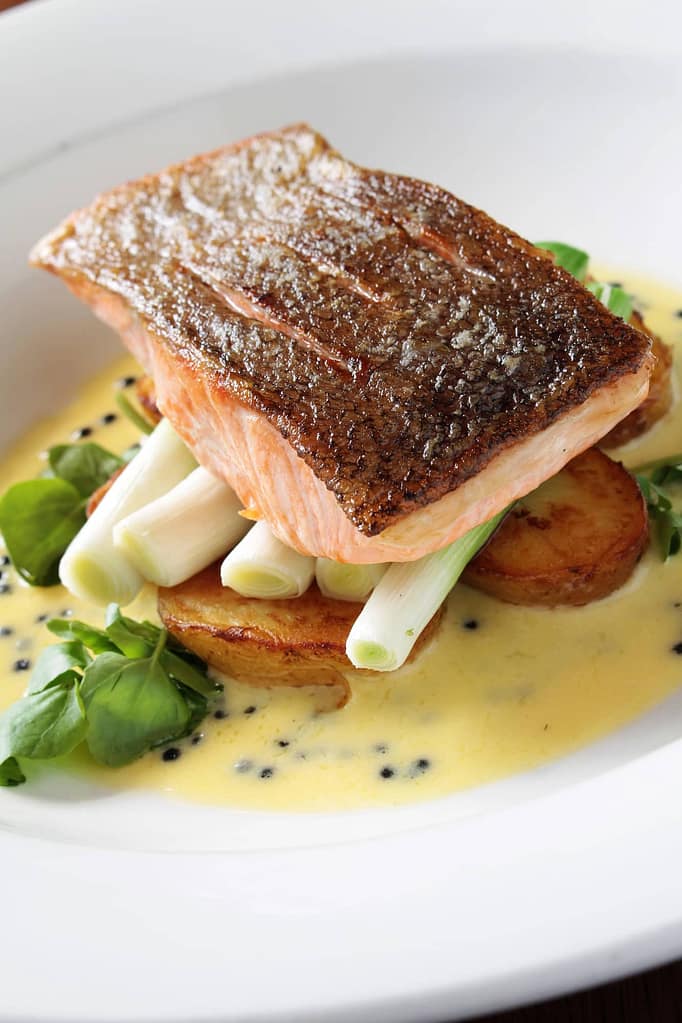
7-Day 16:8 Sample Meal Plan
| Day | Meal 1 (12:00 PM) | Meal 2 (7:00 PM) |
| Monday | Eggs and veggie scramble + avocado + black coffee or water | Grilled salmon + roasted broccoli + sweet potato |
| Tuesday | Greek yogurt bowl with berries, chia seeds & almond butter | Ground turkey stir-fry with bell peppers, zucchini & brown rice |
| Wednesday | Smoked salmon and cream cheese on whole grain toast + side salad | Baked chicken thighs + roasted root vegetables + quinoa |
| Thursday | Cottage cheese with pineapple, walnuts & cinnamon | Beef & vegetable soup with whole grain bread |
| Friday | Veggie omelet (3 eggs, spinach, mushrooms, feta) | Tuna-stuffed avocado halves + mixed greens salad |
| Saturday | Overnight oats (prepared the night before) with protein powder & berries | Grilled shrimp tacos on corn tortillas with cabbage slaw & guacamole |
| Sunday | Smoothie bowl: protein powder, frozen berries, spinach, almond milk | Herb-roasted chicken breast + asparagus + mashed cauliflower |
| Optional Snack (3-4 PM)* | A small handful of almonds and a boiled egg | Apple slices with peanut butter or celery with hummus |
*Keep snacks under 200 calories and protein-oriented.
Hydration During Your Eating Window
Inside and outside of your eating window, hydration remains critical. Aim for a minimum of 8–10 cups of water throughout the day. During your fasting window, water, black coffee, plain tea, and sparkling water are fine, since they have little to no calories. Also consider the following:
- Herbal teas with meals to support digestion
- Electrolyte water if you exercise while fasted (no sugar added)
- Bone broth as a nutrient-dense, low-calorie option with potential protein/collagen benefits
Foods to Limit or Avoid During Your Eating Window
The point of fasting is to not eat anything during the fasting window except the liquids we just discussed. However, if you feel like you can’t continue, you are allowed to end the fast prematurely. But even before your fast begins, there are certain foods that actively undermine your fasting goals by spiking insulin, causing inflammation, or creating digestive distress. These foods should be avoided at all costs, no matter if you are in your eating window or your fasting window. They include:
Ultra-Processed Foods: Chips, fast food, packaged snacks, and frozen meals are engineered to override satiety signals. They make it harder to stop eating and easier to overeat calories in a short window. It’s easy to fall into a pitfall of devouring these foods excessively.
Sugary Beverages: Fruit juice, soda, energy drinks, and sweetened coffee drinks can deliver hundreds of empty calories without triggering meaningful fullness signals.
Refined Carbohydrates: White bread, pastries, crackers, and sugary cereals cause rapid blood sugar spikes followed by crashes — making you hungrier sooner and accelerating the desire to break your next fast early. When I fast, I make a point of staying away from simple carbs because I know the energy won’t last long.
Alcohol: Alcohol is calorie-dense, suppresses fat oxidation for up to 24 hours after consumption, disrupts sleep quality, and tends to stimulate overeating. If you do feel the need to drink, keep it occasional and moderate, and go for brands that are better on your system.
Intermittent Fasting Eating Window Tips for Better Results
Don’t Eat to Compensate
One of the most common intermittent fasting mistakes is treating the eating window as an opportunity to ‘make up’ for the hours you fasted. You don’t need to eat more calories to compensate for fasting — this defeats the purpose entirely. Focus on quality and appropriate portions. If you eat the right foods (like we discussed earlier), then you won’t feel the need to compensate.
Eat Your Larger Meal Earlier in the Window
Unless you’re a night owl, consuming more calories earlier in the day aligns better with circadian rhythms and metabolic efficiency. If possible, make your first meal your largest, and have a lighter dinner at 7–8 PM, usually before bedtime.
Prioritize Protein at Every Meal
Aiming for 30–40g of protein per meal during a two-meal eating window helps hit daily protein targets (typically 0.7–1g per pound of body weight). Make sure to get your protein in as often as you can!
Meal Prep for Your Eating Window
Hunger can lead to poor food decisions. And sometimes, we feel ravenous after those 16 hours. So plan ahead! Having your first meal already prepared eliminates the temptation to grab something fast and processed.
Be Mindful of Caloric Density
Condensing all your nutrition into 8 hours can be challenging, and can paradoxically make it easy to eat too many or too few calories. Track your intake for the first few weeks to calibrate your portions before eating intuitively.
It Gets Easier Over Time
The first week of fasting is always the hardest, because your body isn’t used to it yet. Compensating during your eating window, and breaking the fasting window early, are the two main challenges of fasting. Usually what happens is that as long as you get through the first 4 to 7 days of intermittent fasting, your body will adapt.
Intermittent Fasting Eating Window for Weight Loss
For those practicing intermittent fasting specifically for weight loss, the eating window strategy requires a slight caloric deficit combined with high protein intake. This is the secret. Here are some key principles:
- Aim for a 300–500 calorie deficit from your Total Daily Energy Expenditure (TDEE).
- Keep protein at or above 0.7–1g per pound of body weight to preserve muscle. Example: a 170-pound person needs 119-170g of protein for optimal fasting maintenance.
- Fill your plate with high-volume, low-calorie foods (leafy greens, cucumbers, broth-based soups) to feel full on fewer calories.
- Avoid liquid calories during the eating window — they add up quickly without satisfying hunger.
- Be consistent with your eating window timing — irregular patterns can disrupt circadian rhythms and impair fat loss.
Intermittent Fasting Eating Window for Muscle Building
Concerns about losing muscle during intermittent fasting are reasonable, but when protein intake is adequate, this isn’t a problem. Building muscle while practicing IF is a well-documented approach used by athletes and fitness enthusiasts.
Muscle-building priorities within your eating window:
- Distribute protein across both meals. Rather than consuming all protein in one sitting (which limits muscle protein synthesis), aim for 30–50g of high-quality protein at each meal within your window.
- Time one meal close to your workout. Whether you train fasted or fed, having a protein-rich meal within 1–2 hours of resistance training supports recovery and hypertrophy.
- Don’t undershoot calories. A caloric deficit that is too large will blunt muscle growth. For muscle building while fasting, eat at or slightly above maintenance calories (no more than 500 over). This is essentially the reverse of a caloric deficit, known as a caloric surplus.
Some Common Questions Asked About Intermittent Fasting
What should I eat to break a 16-hour fast?
Break your 16-hour fast with a balanced meal containing 30–40g of protein, moderate healthy fat, and fiber-rich vegetables or complex carbohydrates. Eggs, salmon, Greek yogurt, and chicken are all excellent choices. Avoid breaking your fast with sugary or highly processed foods, which can cause an insulin spike and eventual hunger.
Can I eat anything I want during my intermittent fasting eating window?
There are technically no IF food restrictions. But for meaningful results, food quality matters. Consistently eating ultra-processed foods, excess sugar, or calorie-dense junk during your window will stall fat loss, increase inflammation, and make fasting harder by reducing satiety. Cook your own foods using quality ingredients.
How many meals should I eat in an 8-hour eating window?
Most people do best with 2 main meals and 1 optional small snack during an 8-hour window. I prefer 3 smaller meals, and it does work. Either approach works — what matters most is that you meet your protein and caloric needs within the window.
What is the best first meal after intermittent fasting?
This question is similar to the first one. The best first meal after intermittent fasting is one that includes easily digestible protein (eggs or Greek yogurt are ideal), a moderate amount of healthy fat (avocado, olive oil), and some fiber. Avoid heavy, greasy, or sugar-dense first meals, which can cause digestive discomfort after an extended fast. This is sometimes called refeeding syndrome, and it can be dangerous.
What foods keep you full longer during intermittent fasting?
Foods highest in satiety for IF practitioners include eggs, fatty fish, legumes, Greek yogurt, avocado, oats, and leafy vegetables. The combination of protein + fiber + fat is the most powerful for extending fullness into and through a fasting window.
Is it OK to eat carbs during an intermittent fasting eating window?
Yes, you can eat carbs. Unless you are specifically on a keto diet, carbohydrates are not incompatible with intermittent fasting. Choose complex, whole-food carbohydrates (sweet potatoes, brown rice, oats, quinoa, legumes) that digest slowly and don’t cause sharp blood sugar spikes. Avoid refined carbohydrates and added sugars if you can.
Conclusion
Your intermittent fasting eating window can serve as a great nutritional foundation. How you fill it determines whether fasting remains a sustainable lifestyle or a source of fatigue, cravings, and frustration.
Prioritize high-quality proteins, fiber-rich vegetables, healthy fats, and complex carbohydrates, while limiting ultra-processed foods and empty calories. By doing this, you give your body the fuel it needs to thrive between meals and across fasting windows.
Use the 7-day 16:8 meal plan as your starting framework. Adjust portion sizes to match your caloric needs, and pay special attention to the meals that open and close your eating window.
Ready to go deeper? Return to my pillar guide: Intermittent Fasting — The Ultimate Guide to explore different fasting variations, the science behind fasting benefits such as autophagy, and how to personalize your approach.
I also have a full paid guide on how to structure your life around eating healthy and feeling better. It’s called Appetite Artist’s Beginner Nutrition Guide and Meal Plan. Consider checking it out if you are serious about taking action on your goals, and you want a clear, easy framework on how exactly to do it.